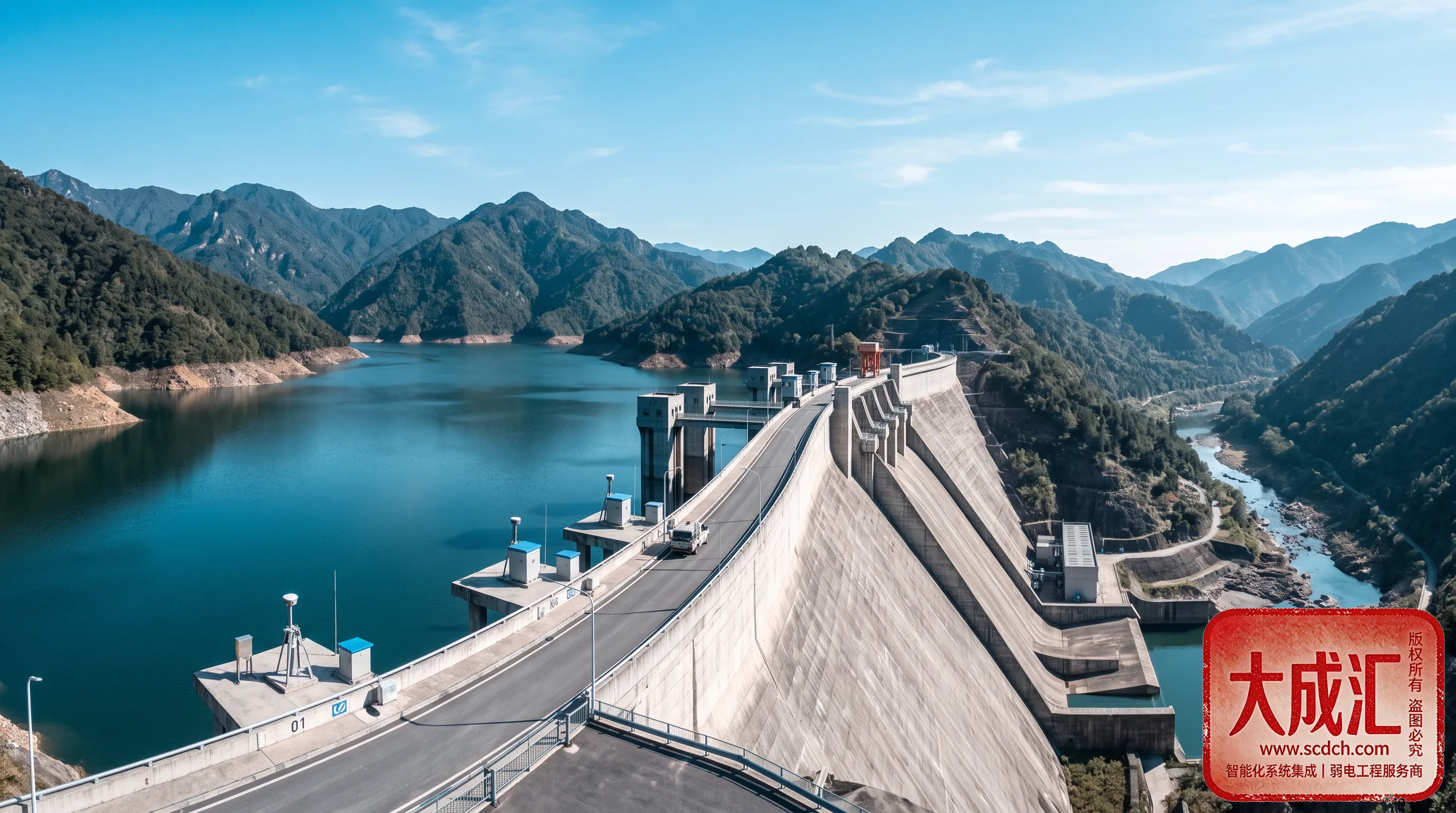
Reservoir Dam Safety Monitoring
Round-the-clock sensing of dam deformation and seepage, safeguarding the reservoir above your head.
Reservoir dam safety monitoring is an automated dam-body safety monitoring system for water conservancy projects including reservoirs, embankments, and tailings ponds. With over 10 years of experience in intelligent system integration and water conservancy informatization, Sichuan DCH Technology (DCH) integrates monitoring methods such as GNSS surface displacement monitoring, inclinometers (internal deformation), piezometers (seepage/uplift pressure), measuring weirs and rain gauge stations, delivering full-lifecycle projects from synchronous construction of new projects to retrofit and upgrade of in-service projects. The system tracks dam displacement, seepage, stress-strain, water level and rainfall in real time, issues early warnings in time, and protects downstream safety.
1. Background and Value
Reservoir dam safety concerns the lives and property of people downstream. Traditional manual observation has shortcomings such as low frequency, subjectivity, and difficulty operating in severe weather, making it hard to meet the requirement of "early detection and early response." Water authorities continue to promote dam safety appraisal and automated monitoring. New projects are required to install monitoring facilities during construction, while in-service and defective reservoirs urgently need retrofit and upgrade.
For reservoir management and water administration departments, dam safety monitoring delivers the following value:
- Risk prevention: Real-time sensing of displacement and seepage with early warnings of abnormal trends;
- Safety assurance: Denser collection during flood season plus tiered alerts to hold the safety line;
- Cost reduction: Automated collection replaces manual observation and works more reliably in severe weather;
- Traceability: Measurements, operating conditions and weather are archived together, providing evidence for appraisal and dispatch.
2. Overall Architecture: A Three-Layer Sensing–Collection–Platform Monitoring System
DCH breaks dam safety monitoring into a "sensing–collection–platform" three-layer architecture, supporting both pre-buried construction for new projects and retrofit and upgrade of in-service projects:
| Layer | Components | Key Capabilities |
|---|---|---|
| Sensing layer | GNSS displacement, inclinometers, piezometers, measuring weirs, rain gauges | Collection of displacement, deformation, seepage, seepage flow and rainfall |
| Collection layer | Automated data acquisition units, communication links, power supply | Scheduled/dense collection, breakpoint resume, low-power duty |
| Platform layer | Dam safety monitoring platform, alert analysis, reports | Real-time storage, trend analysis, tiered alerts, closed-loop response |
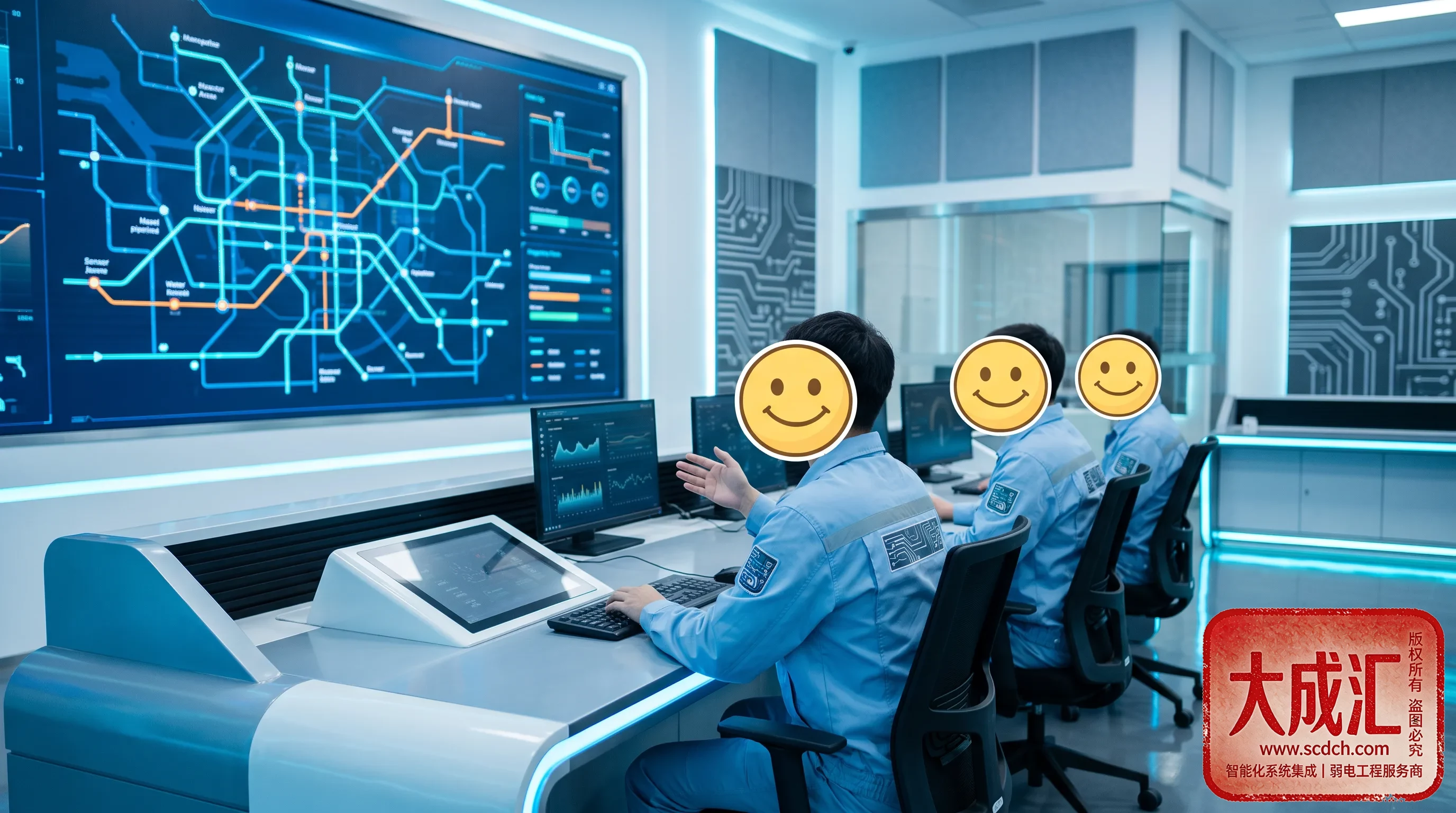
Monitoring data is periodically transmitted by automated acquisition units and consolidated and validated by the platform. Combined with "measurement–condition–weather" correlation analysis, abnormal trends are identified in time and tiered alerts issued, turning scattered "monitoring points" into a coordinated "safety defense line."
3. Core Monitoring Elements
3.1 GNSS Surface Displacement Monitoring
GNSS displacement monitoring points are deployed on the dam crest, berms and key locations to monitor horizontal and vertical surface displacement in real time, capturing deformation trends such as settlement and sliding. GNSS and inclinometers complement each other, achieving "combined surface and internal sensing with full coverage."
3.2 Internal Deformation and Seepage Monitoring
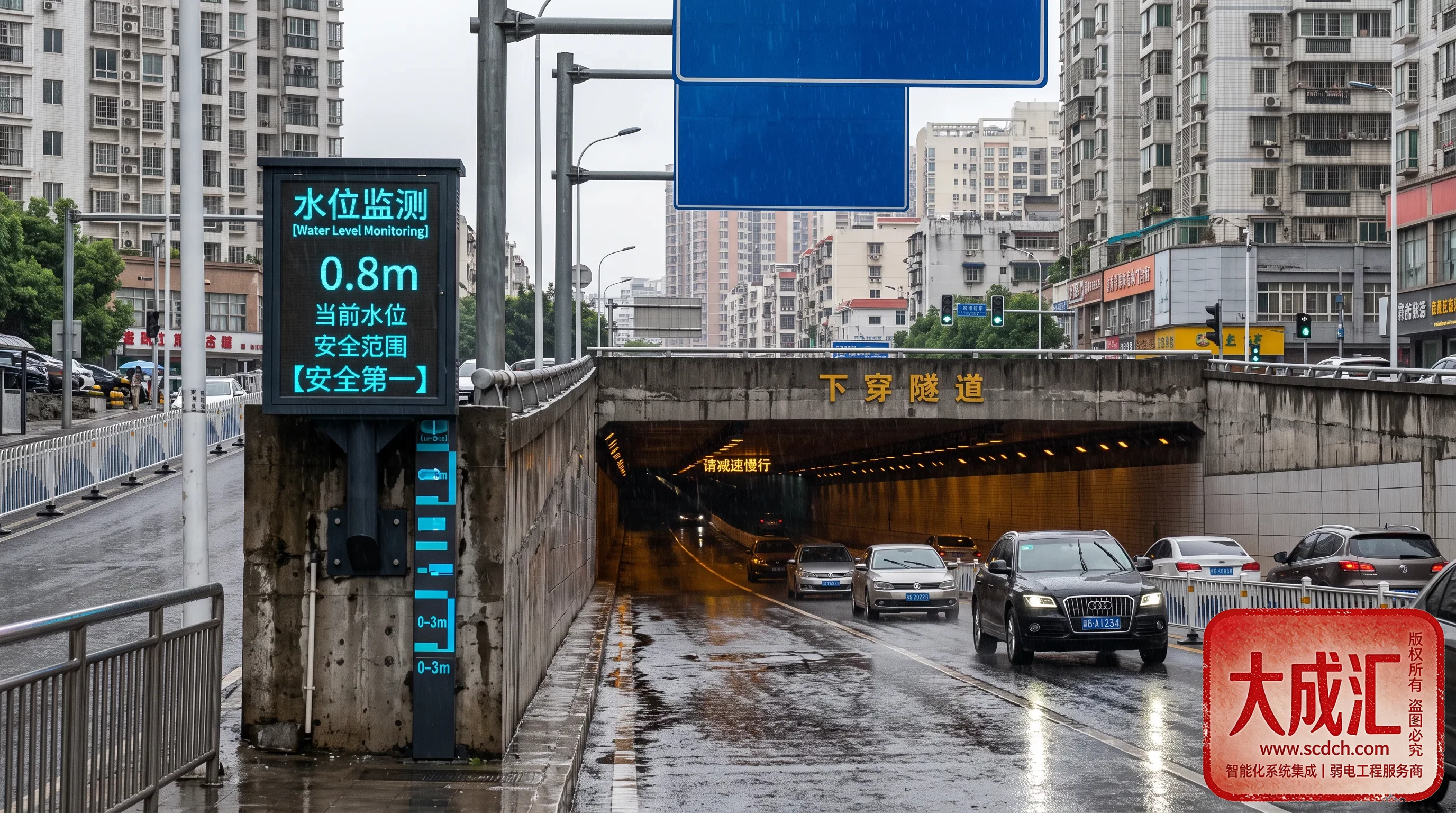
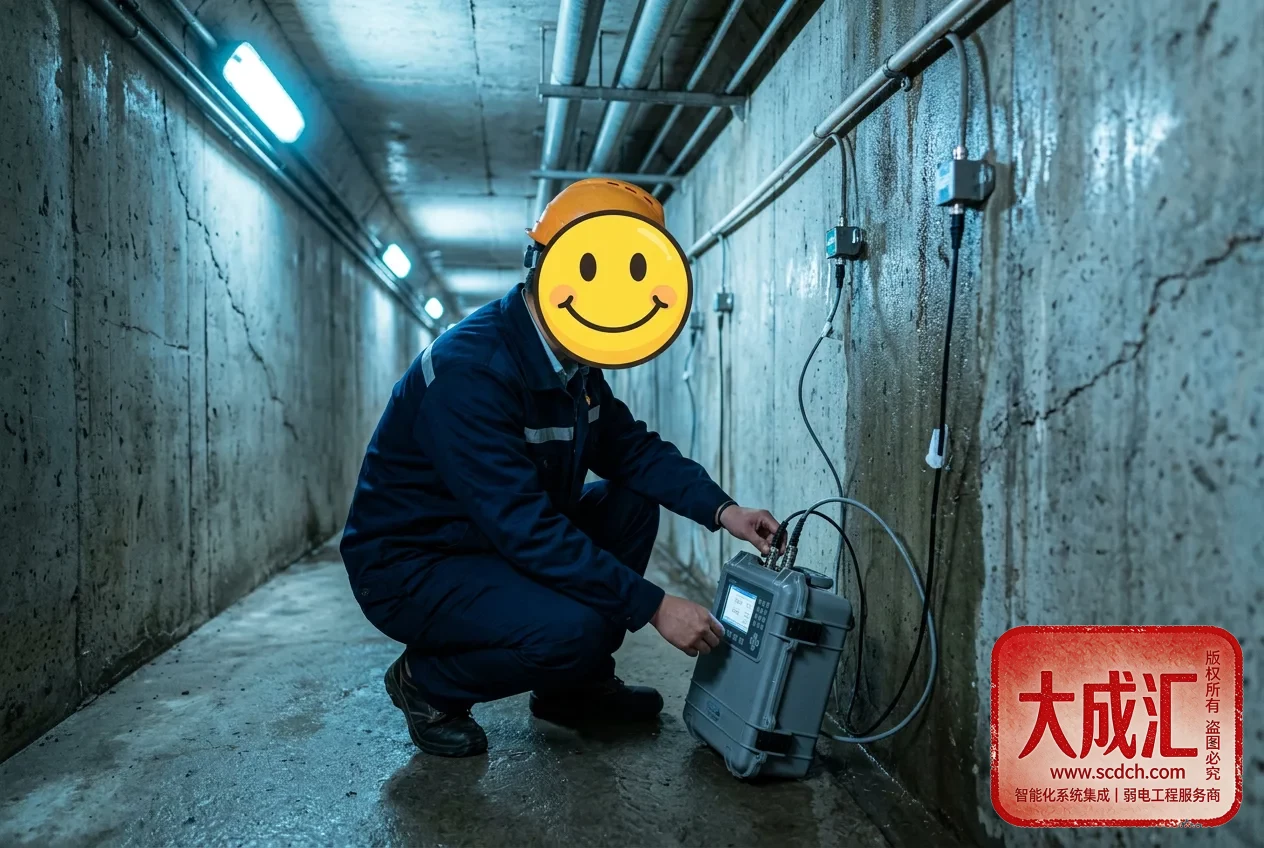
Inclinometers are installed inside the dam body to monitor deep horizontal displacement, and piezometers monitor seepage and uplift pressure in the dam body and foundation, together with measuring weirs to quantify seepage flow. Abnormal seepage is often a precursor of danger; trend analysis gives early warning and buys time for response.
3.3 Water Level, Rainfall and Environmental Monitoring
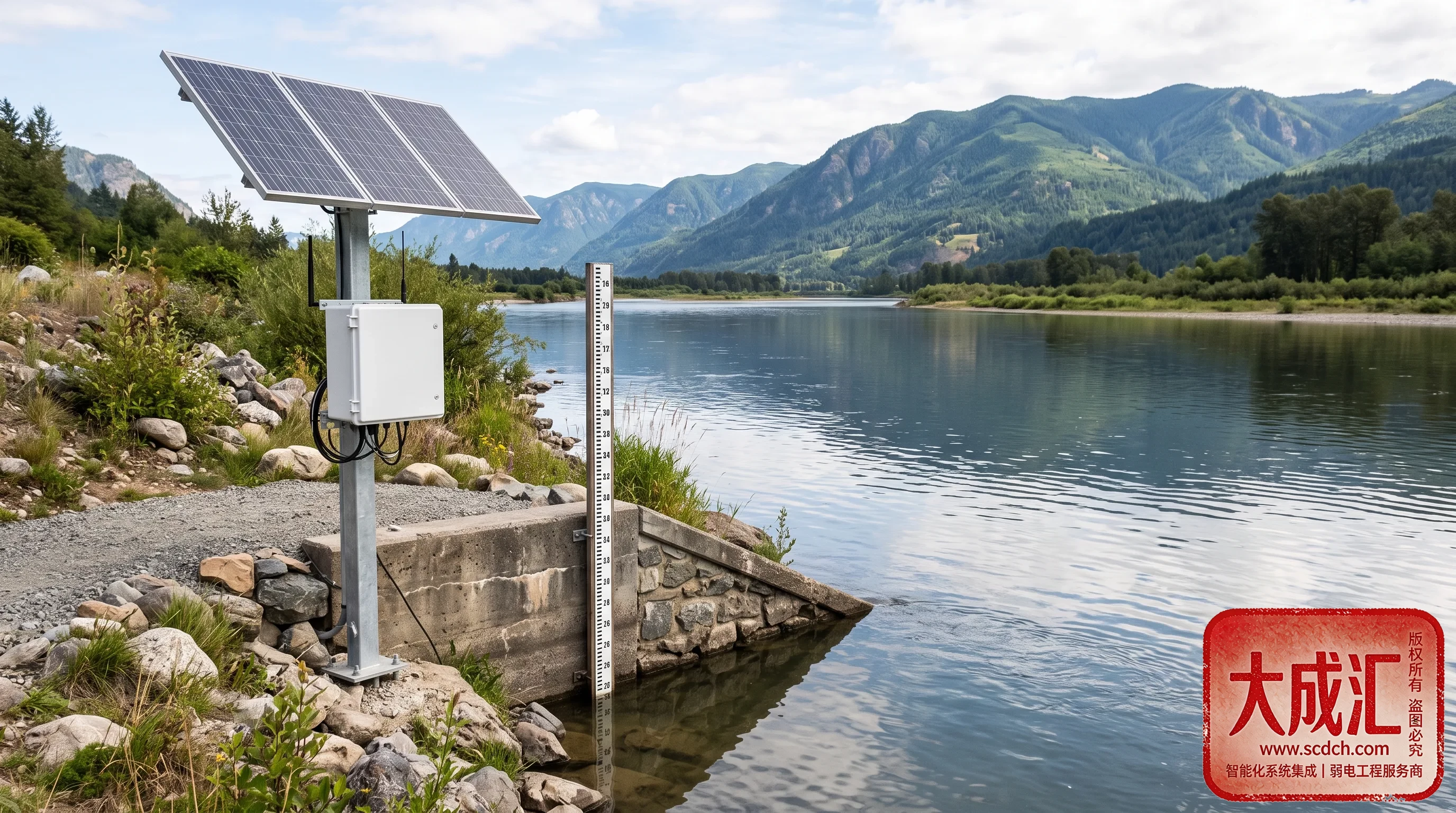
Reservoir water level and rain gauge stations are supplemented to collect environmental factors such as air temperature and pressure in parallel. Monitoring data is correlated with upstream inflow and rainfall processes to build a "measurement–condition–weather" linkage assessment model, avoiding false alarms from single points.
3.4 Automated Data Collection and Remote Transmission
Automated data acquisition units collect data from all sensors uniformly, supporting scheduled collection and denser collection during flood season. Communication uses redundant 4G/5G and BeiDou dual channels; data is automatically cached when offline and re-transmitted upon recovery. Solar power keeps field stations operating reliably year-round.

4. Typical Application Scenarios
- Reservoir dams: New projects install monitoring facilities during construction, achieving integrated construction and management;
- River embankments: Seepage and settlement monitoring safeguards flood conveyance safety;
- Tailings ponds: Online displacement and seepage monitoring prevents dam-break risks;
- Pumped-storage power stations: Safety monitoring of upper and lower reservoir dams with coordinated storage and release.
5. Compliance and Standards
Dam safety monitoring construction must align with water industry standards; DCH implements them from design through acceptance:
- SL 551-2012 Technical Specification for Earth-Rockfill Dam Safety Monitoring;
- SL 725 Design Specification for Safety Monitoring of Water Resources and Hydropower Projects;
- GB 50201 Flood Control Standard;
- Requirements for reservoir dam safety appraisal and danger removal/reinforcement;
- Compliance requirements for sharing monitoring data and safety information.
6. Why Choose DCH
As a local service provider with over 10 years of expertise in intelligent system integration, DCH delivers differentiated capabilities in dam safety monitoring projects:
- Full-stack integration: Weak-current works, sensor installation, PLC control and communication links are designed from one source, avoiding multi-vendor disputes;
- Full-lifecycle service: From synchronous construction for new projects and retrofit of in-service projects to installation, calibration and O&M support;
- Industry compliance: Familiar with SL-series monitoring specifications and safety appraisal requirements; data is benchmarkable and auditable;
- Local response: Rapid on-site support across Sichuan and Southwest China, with 24-hour flood-season emergency response;
- Proven cases: Serving many reservoirs, water projects and government/enterprise clients with reusable delivery experience.
Together we achieve greatness and pool excellence. Guided by the philosophy of "innovation, integrity, professionalism and collaboration," DCH watches over every dam as a safety barrier that measures accurately, transmits reliably and alerts early.
7. Construction Essentials and Common Considerations
- Synchronous construction for new projects: Monitoring facilities are included in design, with embedded parts installed together with dam construction to avoid later rework;
- Retrofit and upgrade: In-service projects are prioritized by high-risk sections based on safety appraisal, first fixing "short boards" then improving "precision";
- Correlation analysis: A "measurement–condition–weather" linkage assessment model reduces single-point false alarms;
- Tiered alerts: Collection frequency is increased during flood season with tiered alert thresholds, and plans "call out" to responsible persons;
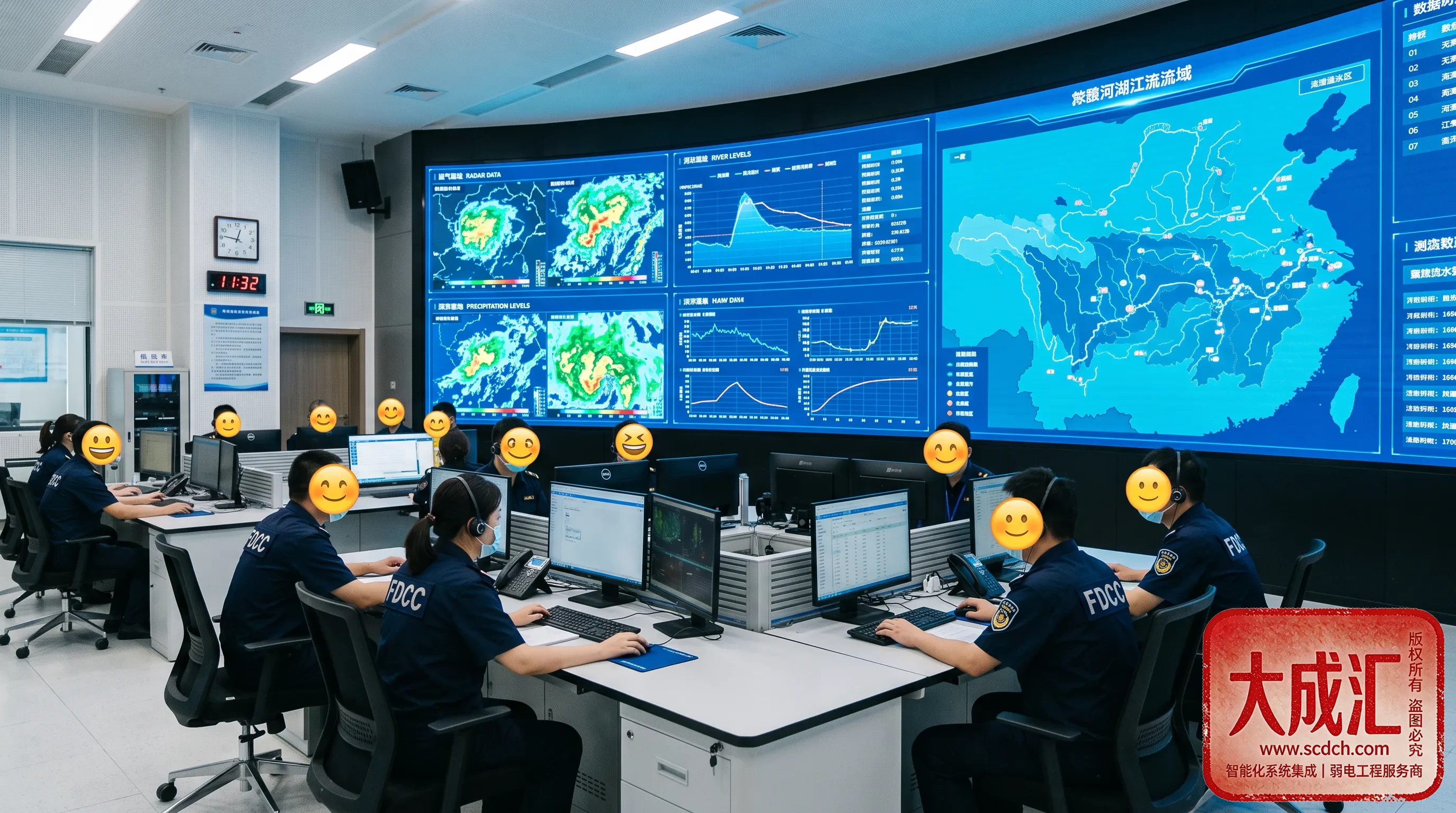
- Closed-loop response: Integration with flood-control command platforms keeps alerts, responses and reviews fully documented;
- System redundancy: Dual redundancy in communication and power ensures uninterrupted data even in extreme scenarios.
8. FAQ
Q1: Do new reservoirs need to build a monitoring system in parallel?
Yes, it is recommended. Monitoring facilities pre-embedded with dam construction cost less and work better; the dam is born with automated monitoring capability, achieving integrated construction and management.
Q2: How are old in-service dams retrofitted?
High-risk sections are first identified through safety appraisal, displacement and seepage monitoring are prioritized, and automated collection and platform construction are then gradually improved in phases.
Q3: Why correlate seepage monitoring with rainfall?
Seepage is strongly affected by rainfall and reservoir level. Correlation analysis distinguishes "normal response" from "abnormal sudden change," significantly reducing false and missed alarms and improving alert reliability.
Q4: How is data security ensured?
Monitoring data is encrypted in storage and transmission per water data specifications, platform access is tiered, and interfaces to flood-control command platforms use dedicated or encrypted channels with full audit trails.
For solution design or on-site survey tailored to a specific reservoir or project, please contact the DCH intelligent system integration team for free preliminary consulting and monitoring solution design.