Smart Access Control and One-Card System
Multi-mode recognition, seamless passage, unified permissions.
The smart access control and one-card system is a passage and unified management platform built on multi-mode recognition (face, card, NFC and QR code). With over 10 years of experience in security and weak-current integration, Sichuan DCH Technology (DCH) integrates capabilities such as facial recognition, channel gates and speed gates, and a one-card platform, delivering full-lifecycle services from solution design, equipment installation and commissioning to platform handover, so offices, parks and dormitories enjoy "seamless passage, controllable permissions and one card for many uses."
1. Background and Value
Access management involves personnel entry/exit, security control and daily operations. Traditional key and single-card modes suffer from easy copying, difficult management and passage congestion; systems issuing and managing cards separately also create data silos and security risks.
For project owners and managers, the smart access control and one-card system delivers the following value:
- Seamless passage: Facial recognition enables fast passage without congestion at peak times;
- Controllable permissions: Tiered, time-limited authorization with instant revocation;
- One card for many uses: Access, attendance, consumption and elevator control on one platform;
- Data security: Biometric data encrypted and compliant.
2. Overall Architecture: A Three-Layer Recognition–Channel–Platform Passage System
DCH breaks smart access control into a "recognition–channel–platform" three-layer architecture that ensures passage experience and emphasizes permission closed loops:
| Layer | Components | Key Capabilities |
|---|---|---|
| Recognition layer | Facial recognition terminals, card/NFC readers, QR scanners | Multi-mode recognition, fast matching, multi-mode redundancy |
| Channel layer | Channel gates, speed gates, locks and elevator control | Anti-tailgating, two-way passage, fail-safe door unlocking |
| Platform layer | One-card platform, permission management, attendance/consumption interfaces | Unified authorization, tiered time limits, data closed loop |
From recognition to channel to platform, the system is planned and delivered as an integrated whole. Administrators "authorize with one click and revoke anytime" via the platform, turning scattered "doors" into a coordinated "passage system."
3. Core Systems and Key Points
3.1 Multi-Mode Recognition
Access terminals support facial recognition, card, phone NFC and QR code, flexibly configured by scenario and personnel. Multi-mode redundancy means that if one mode fails, others cover, preventing people from being held up.
3.2 Channel Gates and Speed Gates
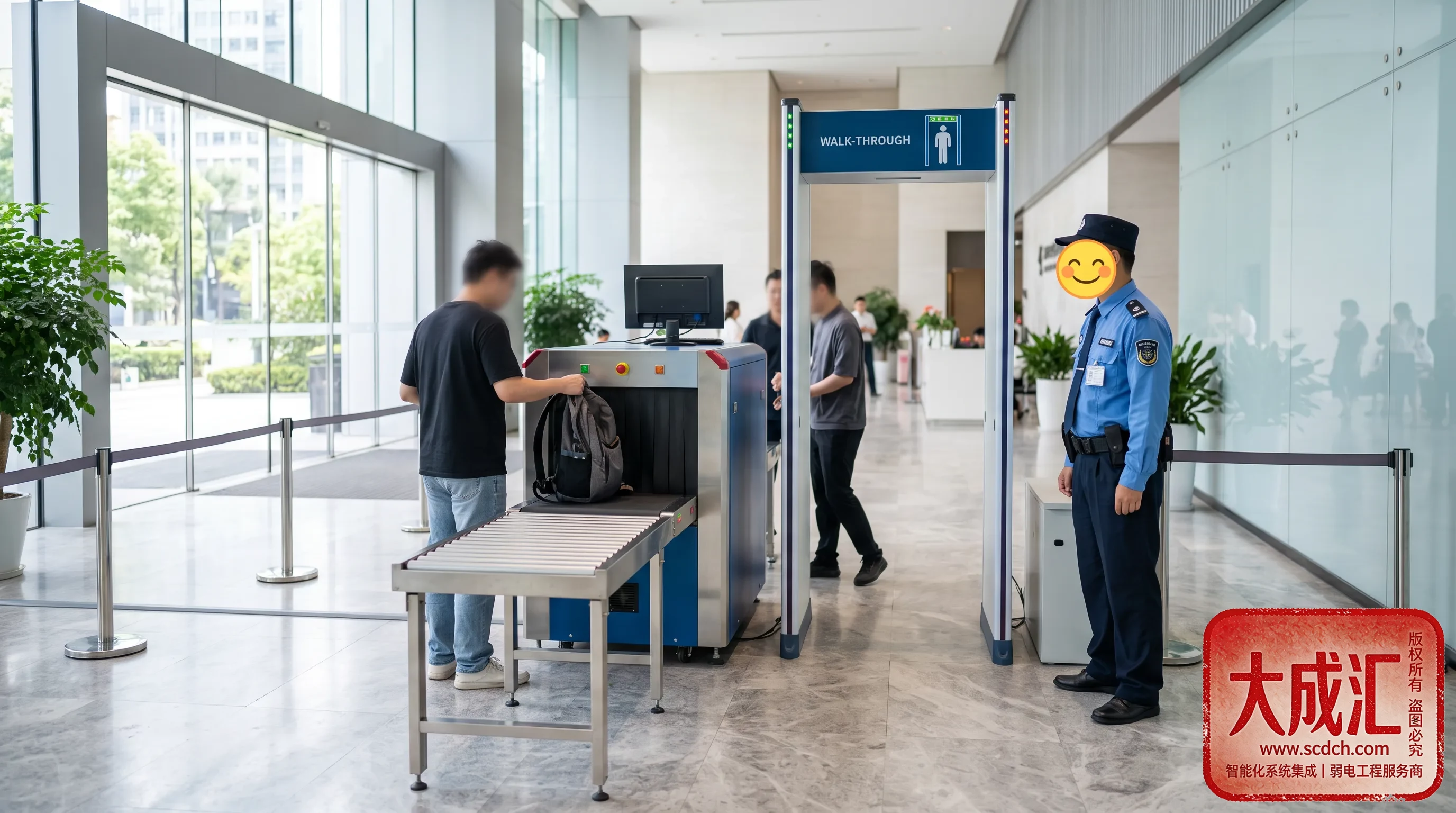
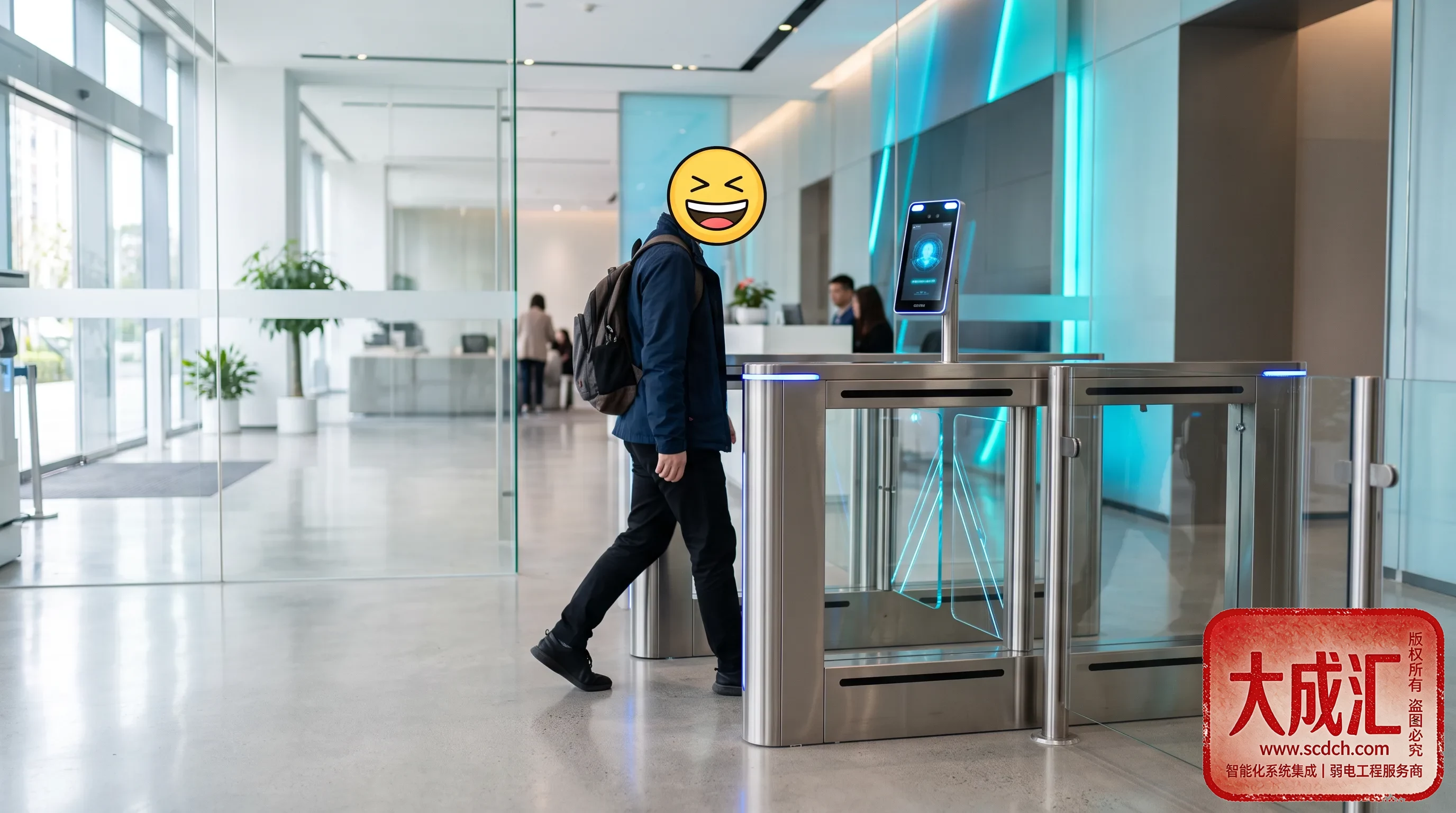
Channel gates and speed gates are deployed at park entrances and office lobbies for fast passage with face/card recognition, supporting anti-tailgating and two-way passage control; visitor scenarios support QR code release and temporary authorization.

3.3 One-Card Platform
The one-card platform centrally manages access, attendance, consumption, elevator control and parking applications — personnel information entered once, permissions issued uniformly. Consumption and access data converge on one platform to support operations analysis.
3.4 Permissions and Biometric Security
Permissions are managed by person, area and time period; permissions are revoked instantly upon personnel changes. Face and other biometric data is encrypted, minimally used and handled per personal information protection requirements.

4. Typical Application Scenarios
- Office buildings: Seamless face passage plus attendance linkage, with QR visitor management;
- Parks/campuses: Multi-entrance channel gates plus one-card multi-scenario applications;
- Dormitories: Face/card entry/exit with occupancy statistics and security control;
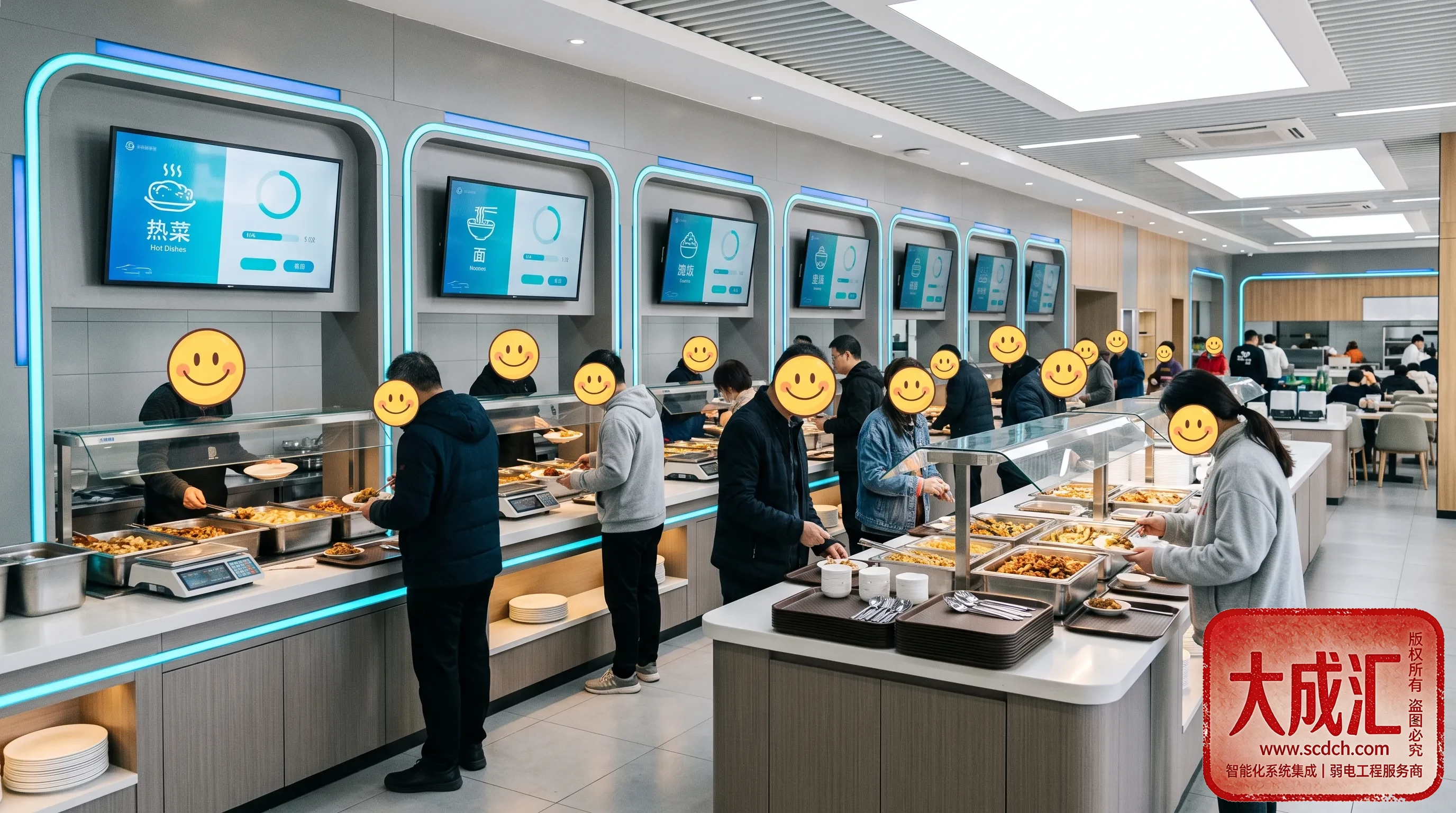
- Consumption scenarios: One-card canteen consumption and self-checkout with clear accounting.
5. Compliance and Standards
The smart access control and one-card system must align with national standards; DCH implements them from design through acceptance:
- GB 50396 Code for Design of Access Control System Engineering;
- GB 50348 Technical Code for Engineering of Security and Protection System;
- Requirements for biometric and personal information protection data security;
- Requirements for fire linkage and emergency evacuation.
6. Why Choose DCH
As a local service provider with over 10 years of expertise in intelligent system integration, DCH delivers differentiated capabilities in access control and one-card projects:
- Full-stack integration: Access, attendance, consumption and security are designed from one source, avoiding multi-vendor disputes;
- Full-lifecycle service: From solution design, equipment installation and platform handover to O&M support;
- Compliance assurance: Familiar with access control codes and biometric data security requirements;
- Local response: Rapid on-site support across Sichuan and Southwest China;
- Proven cases: Serving many office, park and university projects with reusable delivery experience.
Together we achieve greatness and pool excellence. Guided by the philosophy of "innovation, integrity, professionalism and collaboration," DCH turns every door into a reassuring gate with seamless passage, controllable permissions and one card for many uses.
7. Construction Essentials and Common Considerations
- Multi-mode redundancy: Face, card and NFC back each other up to prevent single-mode failure;
- Anti-tailgating: Channel/speed gate selection and linkage prevent tailgating;
- Tiered permissions: Person/area/time authorization with instant revocation on changes;
- Data security: Biometric data encrypted, minimally used and compliantly handled;
- Fire linkage: Automatic and fail-safe door unlocking in emergencies for evacuation;
- Unified platform: Access, attendance, consumption and elevator control on one platform with data closed loops.
8. FAQ
Q1: Does facial recognition work in backlight or with masks?
Access terminals support wide dynamic range and liveness detection for backlit scenes; for masks, mask-recognition strategies or card/NFC fallback can be configured, with multi-mode redundancy ensuring passage.
Q2: How are departing employees' permissions revoked?
One-click deactivation on the platform takes effect immediately; access, attendance, consumption and other systems revoke permissions in sync, eliminating "permissions surviving the departure."
Q3: How are visitors managed?
Visitors make online appointments to generate QR codes for time-limited passage, with visitor records retained; important areas can require secondary verification.
Q4: Can the one-card system interface with existing systems?
Yes. The one-card platform supports interfaces to HR, OA, consumption and parking systems, with unified personnel information and permissions via standard interfaces.
For detailed access control and one-card solution design tailored to a specific building or park, please contact the DCH intelligent system integration team for free preliminary consulting and passage solutions.