Security Screening and Perimeter Protection
Layered defense holds the first gate of key venues.
Security screening and perimeter protection is a three-dimensional security system combining X-ray screening, metal detection and perimeter alarm. With over 10 years of experience in security integration, Sichuan DCH Technology (DCH) integrates equipment such as X-ray screening machines, metal detector gates/handhelds, electronic/tension fences, vibration fiber and perimeter radar, delivering full-lifecycle services from defense planning and equipment installation to alarm linkage, building a dual defense line of "entry screening + perimeter protection" for key venues.
1. Background and Value
Airports, stations, government venues and large events demand extremely high security — preventing prohibited items from entering and keeping the perimeter intrusion-proof. Traditional manpower-only defense suffers from fatigue gaps, lagging response and insufficient coverage.
For project owners and security managers, screening and perimeter protection delivers the following value:
- Entry control: X-ray plus metal detection intercepts prohibited items, holding the first gate;
- Perimeter defense: Electronic fences/vibration fiber provide intrusion detection and alarms;
- Three-dimensional linkage: Perimeter alarms link with video for immediate response;
- Compliance: Screening per national standards; acceptance passes on the first attempt.
2. Overall Architecture: A Three-Layer Screening–Perimeter–Linkage Defense System
DCH breaks the system into a "screening–perimeter–linkage" three-layer architecture building defense in depth:
| Layer | Components | Key Capabilities |
|---|---|---|
| Screening layer | X-ray screening machines, metal detector gates, handheld detectors | Prohibited item recognition, fast screening, passenger flow |
| Perimeter layer | Electronic/tension fences, vibration fiber, perimeter radar | Intrusion detection, blocking deterrence, tiered perimeter defense |
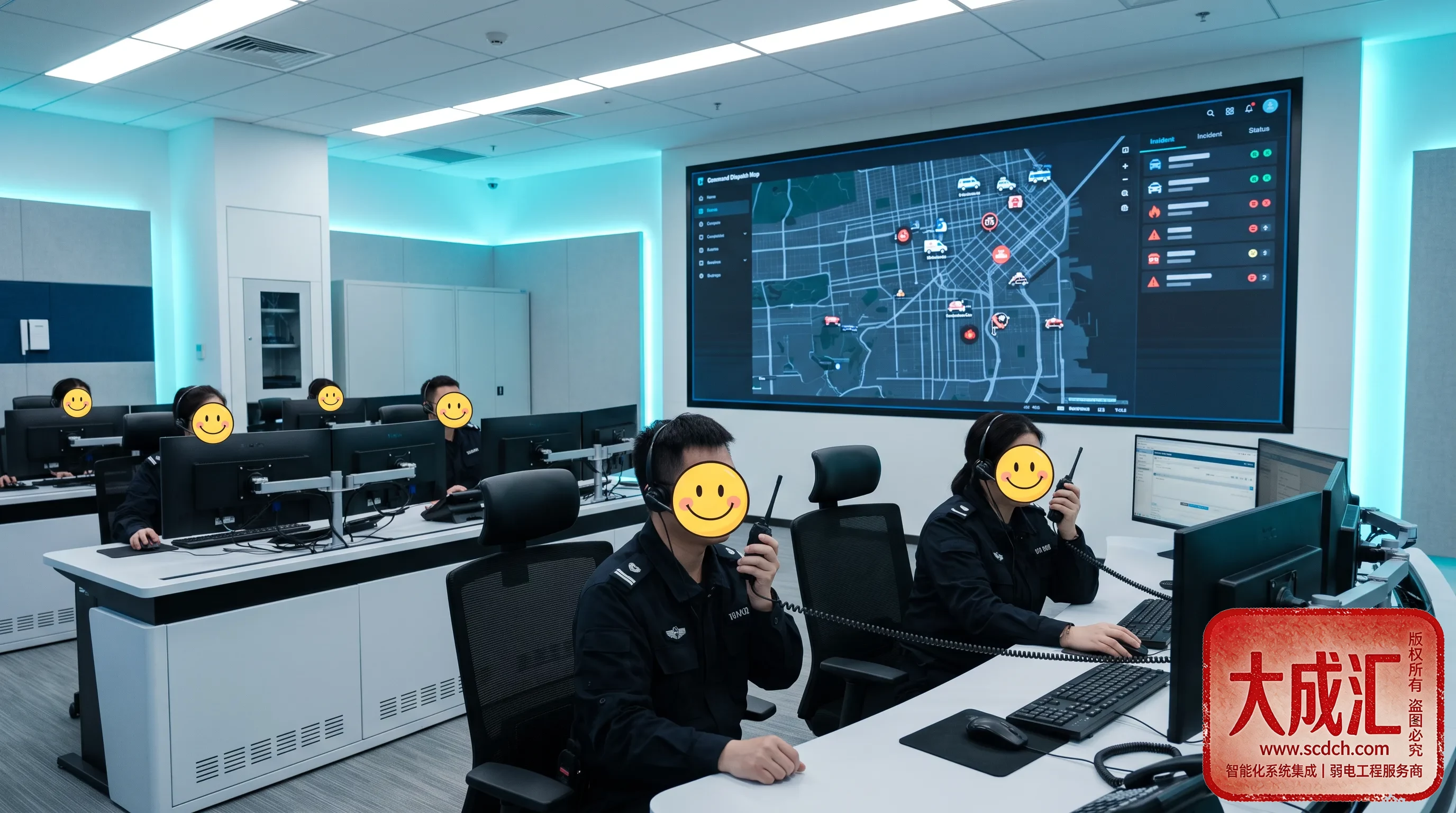
| Linkage layer | Alarm host, video linkage, command dispatch | Alarm locating, popup linkage, closed-loop response |
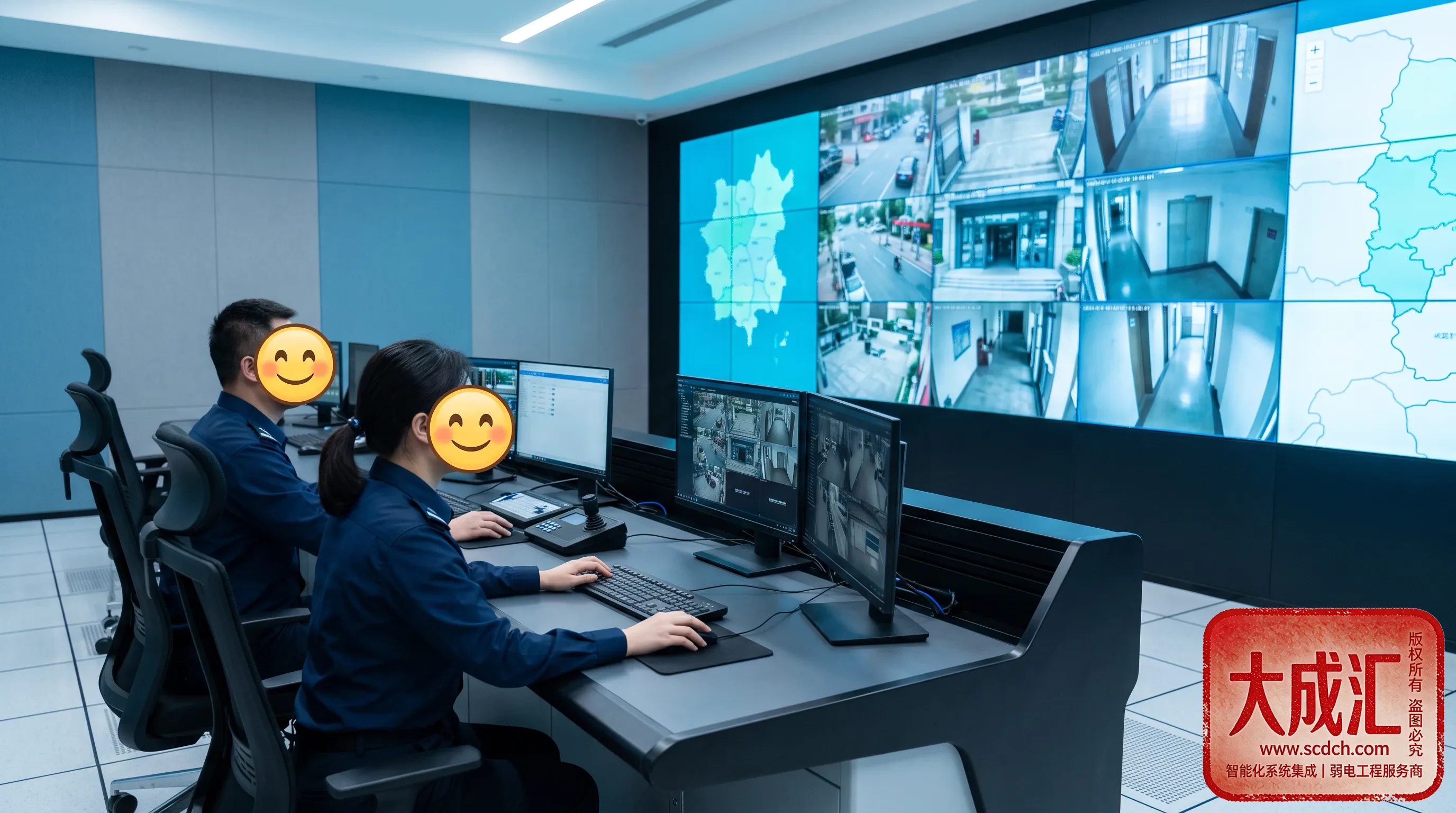
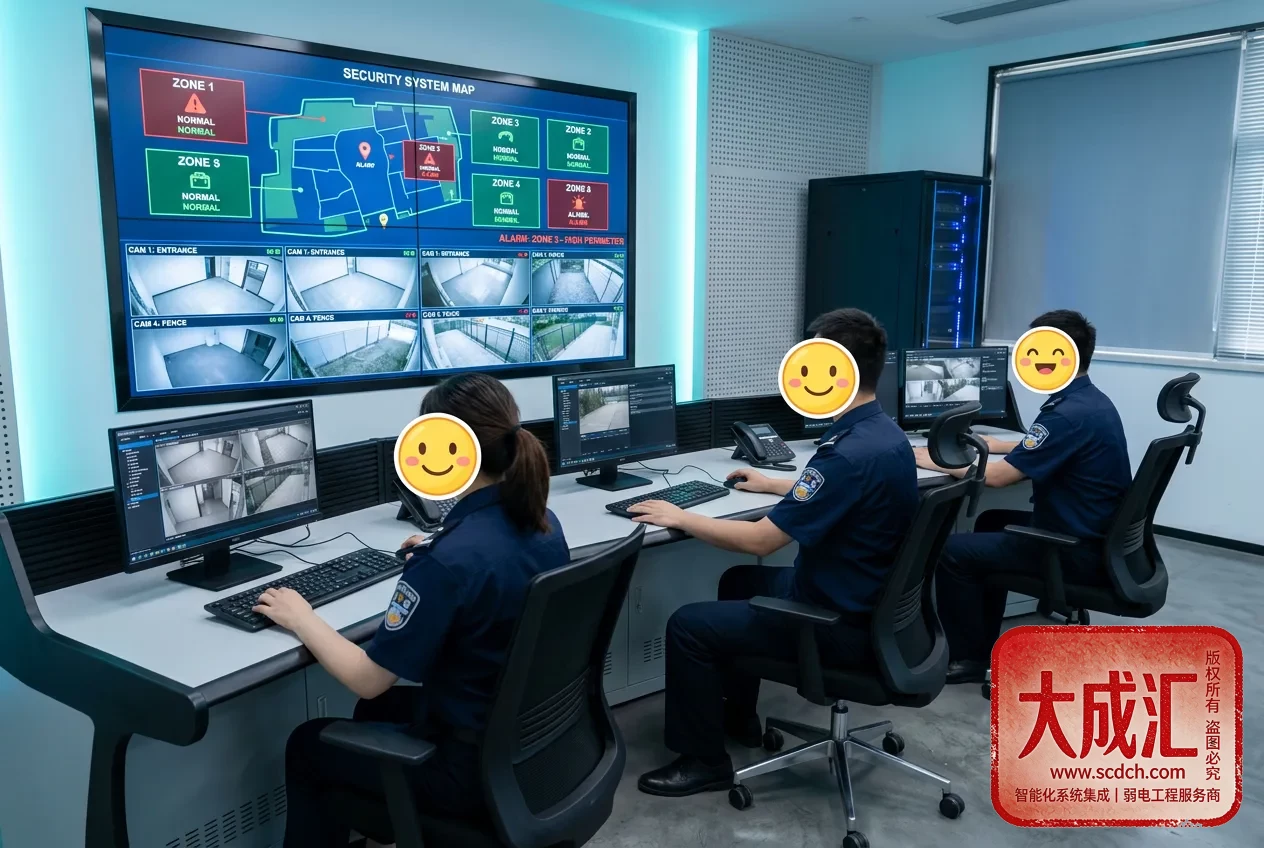
From entry screening to perimeter defense to alarm linkage, the system is planned and delivered as an integrated whole. The security command center views screening and perimeter status on one screen, turning scattered "equipment" into a coordinated "three-dimensional defense line."
3. Core Systems and Key Points
3.1 X-ray Screening and Metal Detection
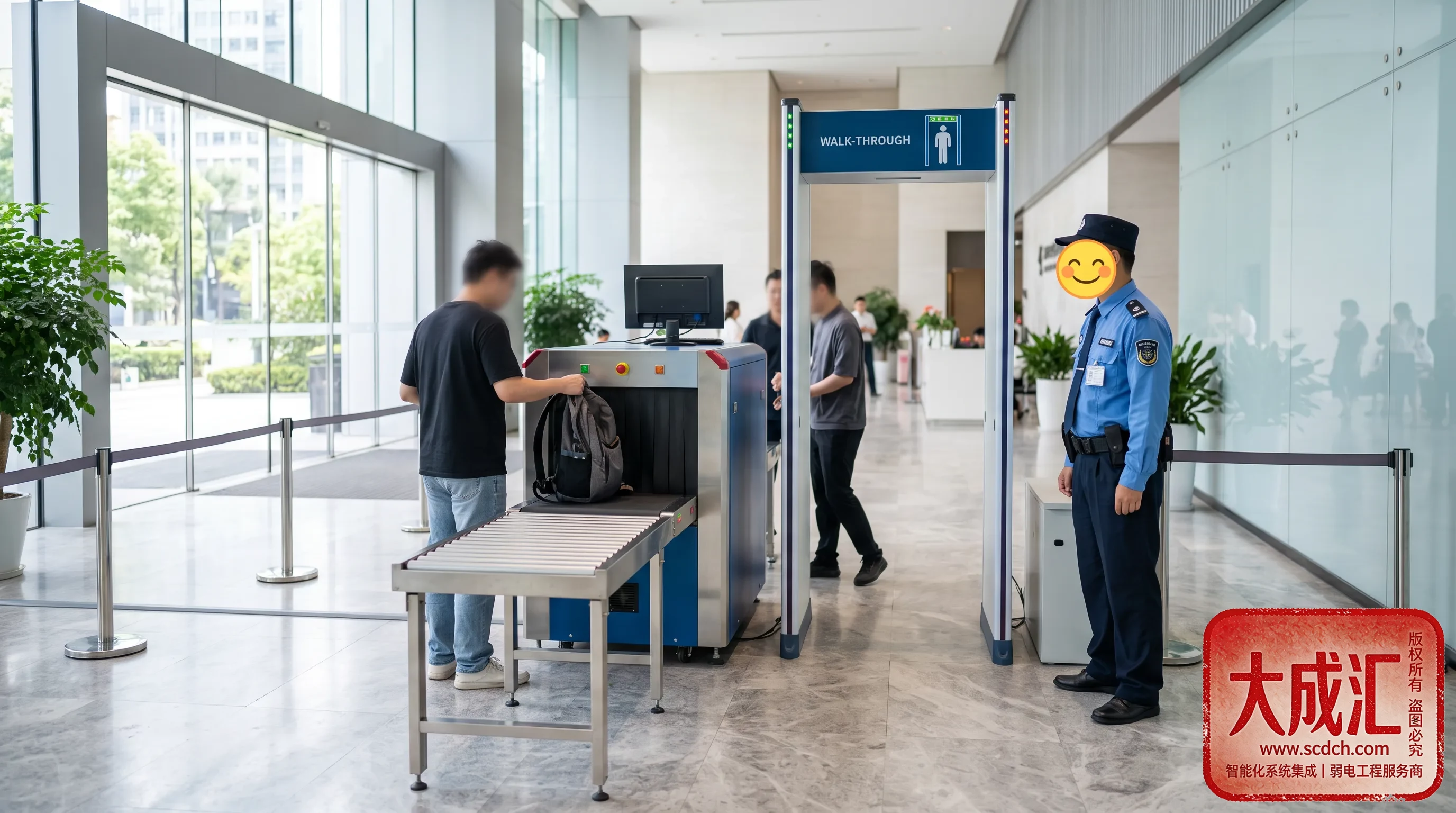
X-ray screening machines inspect luggage at entrances, supported by metal detector gates/handhelds for personal metal objects — "person and object checked together." Clear imaging and high throughput with screening data retained for review.
3.2 Electronic Fences and Tension Fences
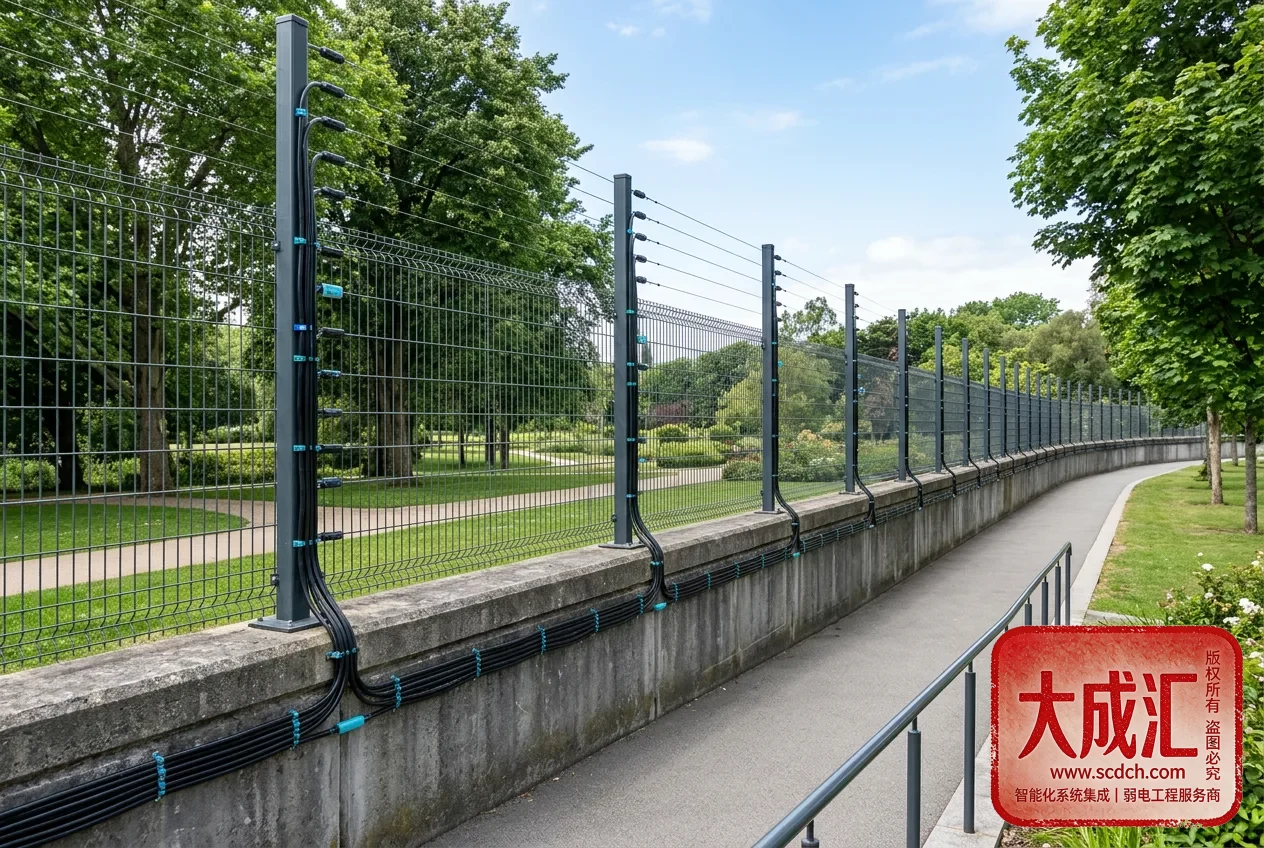
Electronic/tension fences on the perimeter combine blocking and intrusion detection: touch or cutting triggers alarms with zone location. Tension fences are safer for high/low voltage environments and suit sensitive areas.
3.3 Vibration Fiber and Perimeter Radar
Areas unsuitable for physical fences use buried vibration fiber detection or perimeter radar for wide-area intrusion alerts, linked with video for automatic tracking, building a "blind-spot-free" perimeter.
3.4 Alarm and Video Linkage
Perimeter alarms link with video surveillance: alarms trigger automatic popups, video recording and audio-visual warnings. The command center responds rapidly by zone location, forming an "alarm–locate–respond–review" closed loop.
4. Typical Application Scenarios
- Airports/stations: Luggage screening plus passenger metal detection at entrances and exits;
- Government venues: Personnel and item screening with key-area perimeter protection;
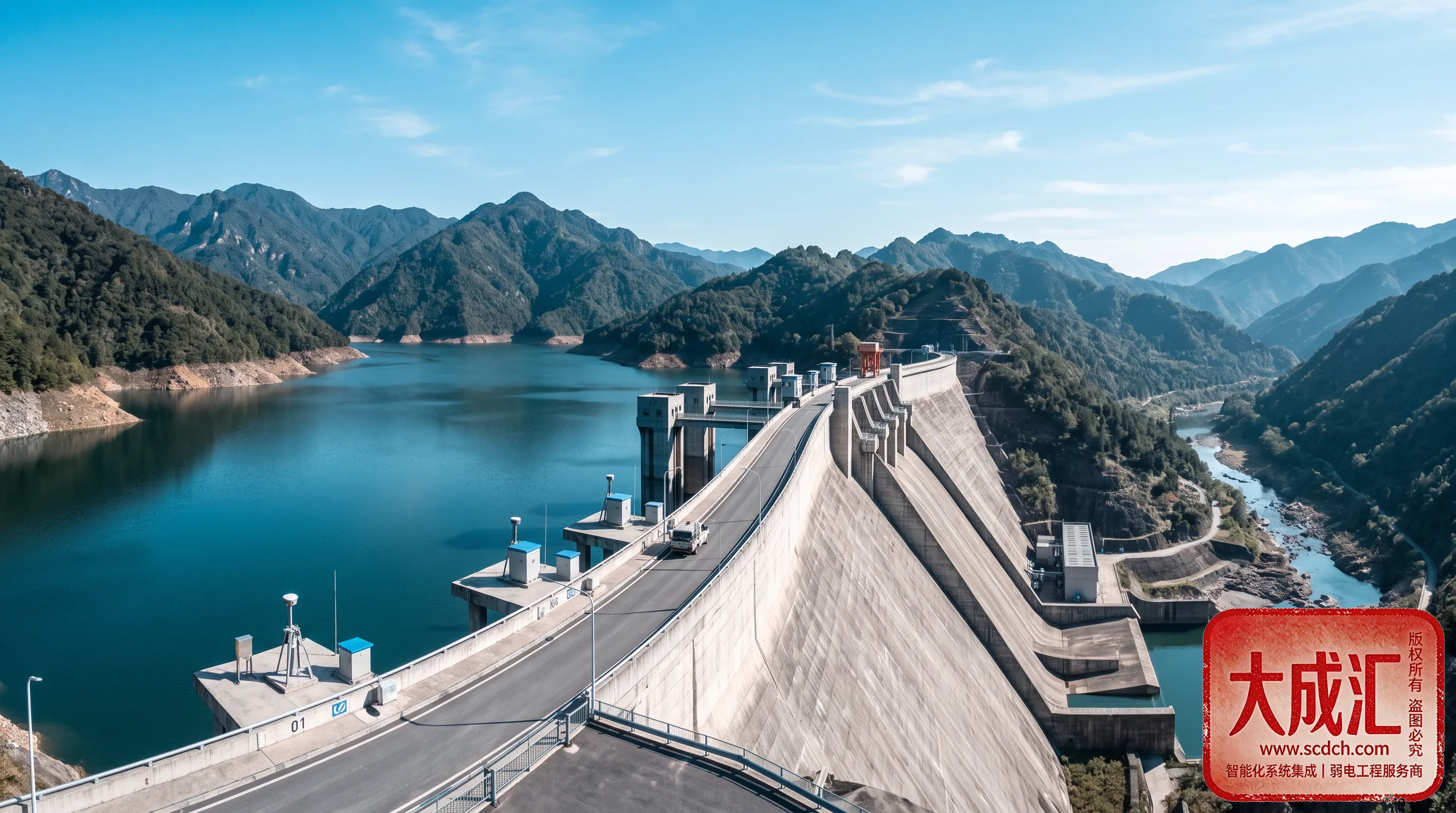
- Park perimeters: Electronic fences/vibration fiber plus video linkage against illegal intrusion;
- Large events: Temporary screening lanes plus mobile perimeter for rapid event security deployment.
5. Compliance and Standards
Screening and perimeter protection must align with national standards; DCH implements them from design through acceptance:
- Requirements of GB 15208 on micro-dose X-ray security inspection equipment;
- Requirements of GB 7946 on pulse electronic fences;
- GB 50348 Technical Code for Engineering of Security and Protection System;
- Codes for screening at key venues and large-event security.
6. Why Choose DCH
As a local service provider with over 10 years of expertise in security integration, DCH delivers differentiated capabilities in screening and perimeter projects:
- Full-stack integration: Screening, perimeter, video and alarm systems are designed from one source, avoiding multi-vendor disputes;
- Full-lifecycle service: From defense planning, equipment installation and commissioning to drills and support;
- Compliance assurance: Familiar with screening and electronic fence standards; acceptance passes on the first attempt;
- Local response: Rapid on-site support across Sichuan and Southwest China, with on-site security for large events;
- Proven cases: Serving many airports, government venues and large-event projects with reusable delivery experience.
Together we achieve greatness and pool excellence. Guided by the philosophy of "innovation, integrity, professionalism and collaboration," DCH turns every screening into a first line of defense that prevents, intercepts and links.
7. Construction Essentials and Common Considerations
- Three-dimensional defense: Entry screening plus perimeter protection plus video linkage for defense in depth;
- Tiered perimeter: Grade defenses by risk level, strengthening sensitive areas;
- Linkage closed loop: Alarm-to-video linkage with rapid zone response;
- Periodic calibration: Screening machines and detectors calibrated regularly for detection accuracy;
- Drills and plans: Regular drills and plan linkage improve emergency response;
- Throughput efficiency: Match screening lanes to passenger flow, balancing security and efficiency.
8. FAQ
Q1: Do perimeter electronic fences pose an electric shock risk?
No. Electronic fences use high-voltage, low-current pulses meeting national standards; touching produces only a warning pulse, not injury, while providing blocking and deterrence.
Q2: How is screening balanced with throughput?
Through lane count, equipment selection and passenger flow analysis, combined with fast screening and diversion guidance, security and passage experience are balanced.
Q3: Are perimeter false alarms frequent?
Environment calibration and algorithm filtering for electronic fences, vibration fiber and other devices significantly reduce false alarms; alarm-to-video linkage enables rapid manual verification.
Q4: How is temporary security for large events arranged?
Mobile screening lanes and temporary perimeter solutions are provided for rapid deployment and on-demand recovery, coordinated by a unified security command center.
For detailed screening and perimeter defense solution design tailored to a specific venue, please contact the DCH intelligent system integration team for free preliminary consulting and defense planning.